Baby Bugga: A Whimsical Handwritten Font for Makers and Sellers
While designing a set of candle labels for my small shop, I stumbled upon Baby Bugga. I was looking for something light-hearted and fun—something that would stand out on a shelf of minimalist labels. The moment I typed out “Lavender Fields” in Baby Bugga, I knew I had found the perfect match. Its playful curves and slightly quirky letterforms brought a smile to my face and a fresh personality to my product.
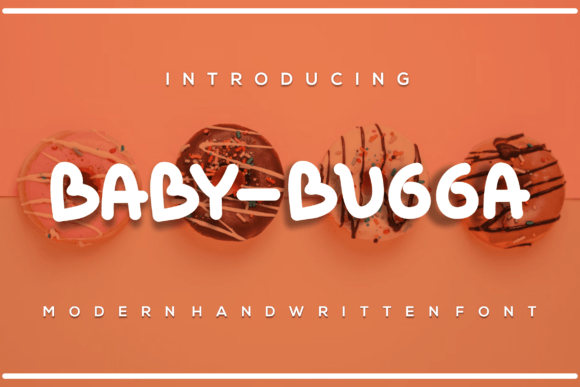
Baby Bugga is a whimsical handwritten font that carries a cheerful and approachable vibe. Each letter feels like it was carefully penned by hand, giving your designs a personal and authentic touch. Whether you're creating greeting cards, wedding invitations, or printable wall art, this script font adds a layer of warmth and creativity that’s hard to replicate with more structured typefaces.
Bringing Baby Bugga to Life in Real Projects
One of my first real uses for Baby Bugga was on a set of boutique gift tags. I wanted something that felt handcrafted but still clean enough to pair with a modern sans serif font for the product name. Baby Bugga handled the job beautifully. The font’s bounce and rhythm gave the tags a lively energy, and when printed on kraft paper with a wax seal, the overall look was both rustic and refined.
I’ve also used Baby Bugga for seasonal items like holiday cards and Easter tags. The font’s soft edges and flowing letters make it ideal for short phrases, names, and titles. It works especially well in designs where you want the text to feel decorative rather than dominant. For example, using it on a “Happy Easter” sign for a farmhouse-style print added a gentle, joyful touch without overpowering the imagery.
Perfect for Labels, Invitations, and Digital Downloads
Handmade sellers and printable creators will find Baby Bugga particularly useful for product packaging and branding. I used it on the label for a new line of natural soaps, pairing it with a clean sans serif for the ingredient list. The contrast between the two fonts gave the design a balanced, curated look. Baby Bugga handled the product name with flair, while the sans serif kept the information clear and readable.
For wedding invitations and stationery sets, Baby Bugga brings a sense of intimacy and warmth. I created a “Save the Date” card using this font for the couple’s names and event title. It paired well with a more formal serif font for the body text, creating a design that felt both romantic and modern. The same approach worked for planner pages and digital templates, where Baby Bugga added a personal note to headings and decorative elements.
Readability and Practical Design Tips
When using Baby Bugga for cutting machines or small stickers, it’s important to consider spacing and size. The font’s flowing letters can sometimes connect more than expected, especially at smaller sizes. For laser-cut tags or vinyl stickers, I always test a small print or cut first to make sure the details hold up. Increasing letter spacing slightly can help maintain clarity, especially when used on physical products.
For printed cards or packaging, I recommend using Baby Bugga at a larger point size to let its character shine. It’s best suited for display use rather than long paragraphs, so save it for headlines, titles, and short phrases. When designing digital mockups or listing images for Etsy, this font can help your product stand out by adding a handmade, boutique feel to your shop visuals.
Font Pairing and Design Harmony
Pairing Baby Bugga with the right supporting fonts can elevate your design from cute to cohesive. I often pair it with a simple sans serif like Montserrat or Lato for a modern contrast. For more rustic or vintage designs, a serif font like Playfair Display adds a classic balance. When working on digital templates or SVG files, I sometimes use a second script font for accents, but keep the layout clean to avoid visual clutter.
Don’t be afraid to experiment with font weights and styles. Baby Bugga works well alongside bold display fonts for a layered look, especially in social media graphics or printable quotes. Just remember to maintain visual hierarchy—let Baby Bugga be the star of short phrases, and use simpler fonts for longer text or supporting details.
What to Check Before Using Baby Bugga Commercially
Before adding Baby Bugga to your product designs, especially if you're selling physical items or digital templates, it’s important to review the font’s licensing terms. Most premium fonts, including Baby Bugga, come with commercial use permissions, but it’s always good to double-check. Be sure to verify if the license includes use in printables, SVG designs, and merchandise.
Also, check what styles and extras are included—some fonts offer alternates, ligatures, or swashes that can add more versatility to your work. Baby Bugga often includes multiple file formats like OTF and TTF, making it compatible with design software like Adobe Illustrator, Canva, and Silhouette Studio. Multilingual support is another bonus, especially if you create for an international audience.