Calligraphy Signature: A Modern Script Typeface for Elegant Branding
A Fresh Start with Real Design Flow
There I was, staring at a blank brand board for a new boutique skincare client. The brief called for a clean, organic feel with a touch of luxury. I reached for Calligraphy Signature—a modern script typeface I’d recently downloaded—not sure if it would work, but curious to see how it would perform in a real-world project.
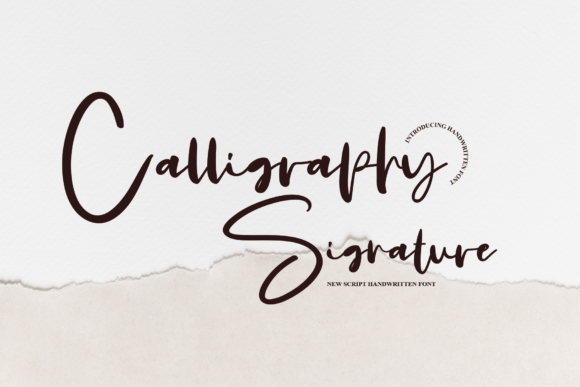
From the first letter I typed, the font felt alive. It wasn’t overly formal like some calligraphy scripts, nor was it too loose or casual. There was a natural flow to the strokes, a subtle bounce in the baseline, and just enough variation in weight to keep it visually engaging. I dropped it into the brand board as a logo concept and immediately noticed how it brought a sense of warmth and personality to the design.
What Makes Calligraphy Signature Stand Out
Calligraphy Signature is a Script Amp font, which means it leans into the expressive qualities of script typography while maintaining a modern edge. It’s not a strict calligraphy reproduction—it’s more stylized, with a contemporary rhythm that feels both elegant and approachable.
The font’s character set includes ligatures, swashes, and stylistic alternates that let you customize the look depending on the project. It has a slight slant, soft curves, and a natural stroke variation that mimics real handwriting—but with the polish of a professionally designed typeface.
It’s best suited for use as a display font, logo font, or accent font. It shines when used for short text—like brand names, taglines, product names, or social media quotes—but it’s not ideal for long body copy or small-size print.
Testing It Across Brand Touchpoints
I used Calligraphy Signature across multiple brand assets to see how it held up:
- Logo design: It gave the logo a refined but not stuffy feel. The alternates allowed me to tweak the letterforms for visual balance.
- Packaging mockup: On a minimalist label for a skincare line, the font looked clean and upscale. The slight calligraphic flair added just enough character without being distracting.
- Business card: Paired with a simple sans serif for subtext, it looked professional and stylish.
- Website header: It worked well in a hero section, especially when used with a light background and ample white space.
- Social media layout: On Instagram stories and Pinterest graphics, the font was eye-catching and readable at a glance.
One thing I noticed is that the font’s elegance can be overpowering if not balanced correctly. It works best when given room to breathe and paired with simpler, more structured fonts.
Pairing Tips for Better Brand Harmony
If you're using Calligraphy Signature in a brand identity system, it's essential to pair it with complementary typefaces. Here are some combinations I tested:
- Serif font: A soft serif like Playfair Display adds a classic contrast without clashing.
- Sans serif font: For a modern twist, pair it with Montserrat or Lato to keep the design grounded.
- Handwritten font: Use sparingly—sometimes a second script can feel too busy.
When building a modern typography system, treat Calligraphy Signature as your visual anchor. Use it for key brand elements and keep supporting text clean and structured.
Limitations and Real-World Considerations
While Calligraphy Signature is a strong contender in the Fonts category, it’s not a one-size-fits-all solution. It’s not recommended for:
- Small print: The fine strokes can get lost at tiny sizes.
- Long paragraphs: Like most script fonts, it’s not ideal for extended reading.
- Formal corporate branding: It leans more lifestyle and boutique than boardroom.
Also, be sure to test the font in multiple contexts before locking it into a final design. Try it in black and white, in color, on textured backgrounds, and at different sizes. This helps you see how it performs across different design assets and mediums.
Final Notes on Licensing and Usage
If you're planning to use Calligraphy Signature in a commercial font context—like packaging, merchandise, or templates—be sure to check the licensing terms. Some fonts are free for personal use but require a paid license for client work or commercial distribution.
Also, verify if the font includes webfont versions if you're planning to use it on a website. Most modern Fonts packages do, but it’s always better to double-check before launching a live project.
Conclusion
In the end, Calligraphy Signature proved to be a versatile and elegant choice for the skincare brand project. It brought a level of sophistication and personality that elevated the entire identity. Whether you're working on a creative font project, a packaging design, or a social media graphic, this typeface is worth testing—especially if you're looking for a modern script with a clean, stylish flow.