Yellosun: A Handwritten Font for Modern Web and Digital Design
As a web designer working across landing pages, digital products, and brand-focused web experiences, I’m always looking for fonts that bring personality without compromising readability. Yellosun is one of those rare finds—a handwritten script font that feels both authentic and intentional in digital layouts. It’s not just a decorative typeface; it’s a tool that supports visual hierarchy, brand tone, and user engagement when used thoughtfully.
What Makes Yellosun Stand Out
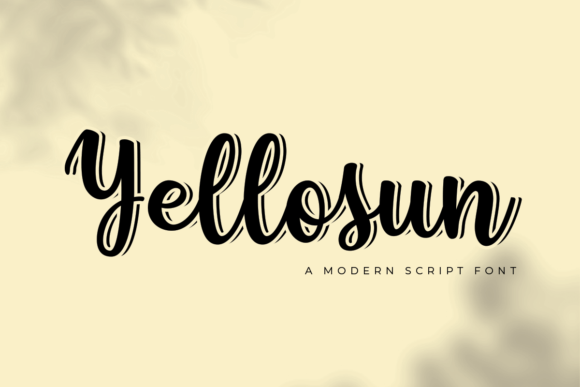
Yellosun has a clean, approachable look that mimics natural handwriting without the messiness of overly casual scripts. Its open spacing and consistent stroke weight make it surprisingly legible on screen, even at smaller sizes. Unlike some script fonts that feel too formal or stylized, Yellosun maintains a friendly, down-to-earth personality. It works especially well for brands that want to feel personable, creative, or educational—think coaching websites, creative portfolios, or online learning platforms.
This font belongs to the Script Amp category, which typically includes expressive, connected letterforms. However, Yellosun avoids the dramatic flourishes that can make script fonts hard to read in digital environments. Instead, it strikes a balance between style and usability, making it a strong choice for web designers who want to add warmth without sacrificing clarity.
Where Yellosun Shines in Web Design
In practice, Yellosun performs best when used for short, high-impact text elements. It’s ideal for hero titles, callout banners, and section headers where you want to inject a human touch. For example, using Yellosun in a hero section of a boutique online store gives the brand an artisanal, curated feel. On a course landing page, it can be used for quote highlights or instructor names to reinforce a sense of approachability.
It also works well in UI components like buttons or feature tags when the design calls for a less rigid, more expressive tone. Just be mindful of font size and contrast—Yellosun’s handwritten nature means it can lose clarity if used too small or against busy backgrounds.
Readability and Responsive Design Tips
One of the biggest concerns when using a decorative font like Yellosun is readability across devices. On mobile screens, especially, it’s important to keep text short and ensure sufficient spacing between letters. I recommend using Yellosun for headlines or accents rather than long-form content. For body text, pair it with a clean sans serif font to maintain legibility while preserving visual interest.
When overlaying Yellosun on images or dark backgrounds, always test contrast levels. A light outline or drop shadow can help the text pop without increasing font weight, which might distort its delicate character. For light backgrounds, consider using a slightly bolder weight if available, or apply a subtle text shadow to enhance definition.
How Yellosun Supports Brand Identity
From a branding perspective, Yellosun communicates warmth and authenticity. It’s particularly effective for businesses that want to avoid a corporate or overly polished look. Think of a lifestyle blogger using Yellosun for their site header or a wellness coach featuring handwritten-style testimonials in their landing page design.
When building a brand kit, Yellosun can serve as the primary logo font or as a supporting typeface for quotes, captions, and social media graphics. Its handwritten charm pairs well with minimalist design trends, making it a versatile choice for modern digital brands that want to feel genuine and human.
Font Pairing for Web Layouts
One of the most powerful ways to use Yellosun is in combination with other fonts. As a display font, it works best when paired with a more neutral typeface for body copy. A popular pairing is Yellosun with a simple sans serif like Montserrat or Open Sans. This creates a visual rhythm where the expressive headline draws attention, and the clean body text ensures readability.
If you're designing an editorial-style website or a content-heavy digital product, consider pairing Yellosun with a serif font like Merriweather or Playfair Display. This adds a touch of sophistication while maintaining the handwritten warmth in key areas like pull quotes or featured headings.
Technical Considerations for Web Use
Before embedding Yellosun in a live website or digital product, it’s important to check the available styles and file formats. Most modern font packages include multiple weights, italics, and alternate characters, which can enhance flexibility in layout design. If you're using it on a web page, make sure the font is available as a web-optimized format (like WOFF2) to ensure fast loading times and broad browser support.
Also, verify that the font includes multilingual characters if your site serves an international audience. Many script fonts lack full language support, which can be a problem for websites that go beyond English content.
Licensing and Commercial Use
When working with any premium font—including Yellosun—it’s crucial to understand the licensing terms. Most font vendors offer different licenses depending on how the font is used: for personal projects, client websites, online stores, or digital templates. Always ensure you have the appropriate license for the scope of your project, especially if you're embedding the font in a downloadable product or SaaS platform.
For web designers and UI creators, investing in a commercial license for Yellosun is worth the cost if you plan to use it across multiple client sites or branded digital experiences. It ensures legal compliance and often comes with better technical support and font updates.
Final Thoughts
Yellosun is more than just a handwritten font—it’s a functional design asset that brings personality to digital interfaces without compromising usability. Whether you're designing a landing page, portfolio site, or brand-focused web experience, Yellosun offers the right balance of warmth and clarity. Paired with the right supporting fonts and used thoughtfully in layout elements, it becomes a key part of a cohesive, engaging digital identity.